Do Alaskan Malamutes Shed?
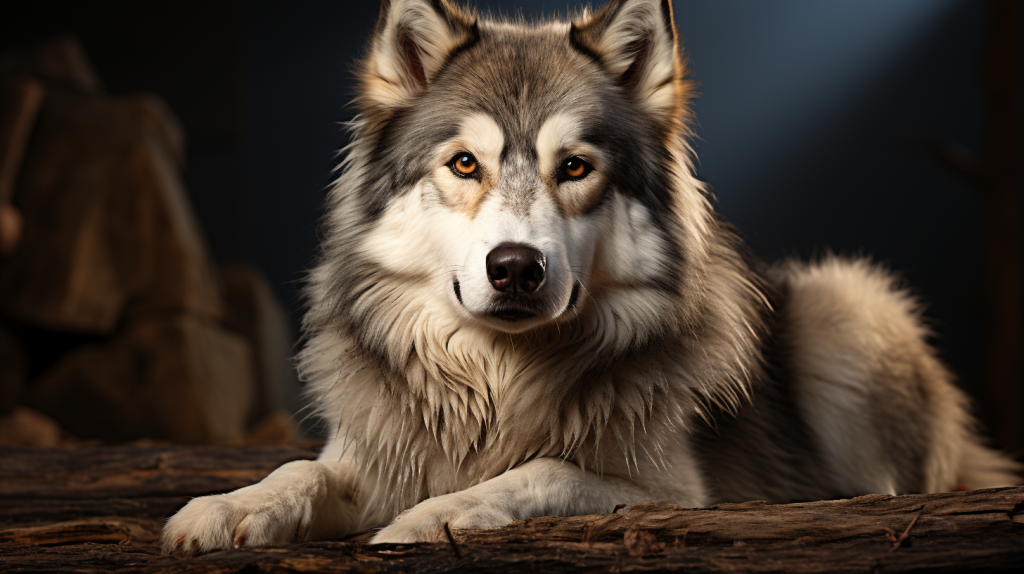
Alaskan Malamutes are indeed heavy shedders. They possess a dense double coat comprising a soft undercoat and a coarser outer coat. This double-layered fur is not only a trademark of the breed but also a functional adaptation to extreme weather. The shedding is not just a seasonal affair; Malamutes shed continuously throughout the year, with increased shedding, known as “blowing their coat,” occurring typically twice a year.
Understanding Shedding in Dogs
Shedding in dogs is a natural process of hair growth and loss. It’s their way of adapting to the environment and maintaining a healthy coat. In dogs, like in humans, each hair follicle has a life cycle, which includes a growth phase, a resting phase and a shedding phase. Various factors such as breed, age, health and season can influence a dog’s shedding pattern.
Alaskan Malamute Shedding Factors
In Alaskan Malamutes, shedding is primarily influenced by genetics and environmental conditions. Being bred for cold climates, their bodies are programmed to grow a thick coat to survive. When kept in warmer environments, Malamutes may shed more as their bodies adjust to the temperature. Additionally, factors like nutrition, health and stress levels can also impact the extent of shedding.
Seasonal Shedding Patterns in Alaskan Malamutes
Malamutes exhibit a prominent seasonal shedding pattern. Typically, they “blow” their undercoat twice a year, during spring and fall. This process can last up to three weeks and results in significant hair loss. During spring, they shed their heavy winter undercoat to prepare for warmer months and in fall, they shed a lighter summer coat in anticipation of growing a thicker one for winter.
How to Manage Shedding in Alaskan Malamutes
Managing shedding in Alaskan Malamutes involves regular grooming. Brushing your Malamute several times a week and daily during peak shedding seasons, can significantly reduce the amount of hair shed. Tools like undercoat rakes and de-shedding brushes are effective. Bathing helps loosen the undercoat, but it should not be too frequent to avoid skin dryness. Incorporating a well-balanced diet rich in Omega-3 and Omega-6 fatty acids can promote a healthy coat and potentially reduce excessive shedding.
Comparing Alaskan Malamute Shedding to Other Breeds
Compared to other breeds, Alaskan Malamutes are among the heaviest shedders. Breeds like Siberian Huskies and German Shepherds also have a double coat and shed considerably, but the volume and intensity of shedding in Malamutes are greater due to their thicker and denser coat.
Are Alaskan Malamutes Hypoallergenic?
Alaskan Malamutes are not hypoallergenic. Their heavy shedding and dander can be problematic for people with allergies. Although no dog is completely hypoallergenic, breeds with minimal shedding are often more suitable for allergy sufferers.
Common Health Issues in Alaskan Malamutes that Can Affect Shedding
Certain health issues can exacerbate shedding in Alaskan Malamutes. Skin conditions, hormonal imbalances and nutritional deficiencies can lead to increased shedding. Regular veterinary check-ups are essential to ensure any underlying health problems are identified and treated early.