Can Dogs Eat Bacon?
Yes, dogs can eat bacon, but it should be given in moderation and not as a regular part of their diet. Bacon is high in fat and salt, which can lead to obesity and health issues like pancreatitis in dogs if consumed in large amounts. Additionally, the high salt content can lead to dehydration and other related health problems. It’s important to treat bacon as an occasional treat rather than a staple of their diet.
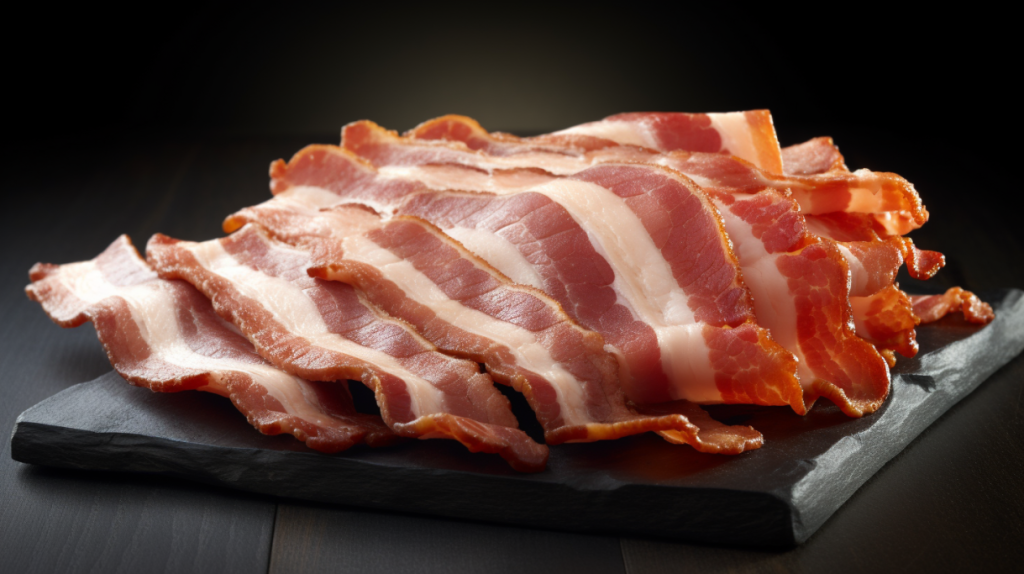
Different Types of Bacon
- Can Dogs Eat Raw/Uncooked Bacon? Feeding raw or uncooked bacon to dogs is not recommended. Raw bacon poses potential risks to both dogs and humans, including the presence of harmful bacteria like Salmonella or parasites such as Trichinella. These microorganisms can cause foodborne illnesses and gastrointestinal upset in dogs. To ensure the safety of your canine companion, it is vital to thoroughly cook bacon before offering it to them.
- Can Dogs Eat Cooked Bacon? Cooked bacon, when prepared properly, can be given to dogs as an occasional treat. However, moderation is key. Bacon is high in fat, sodium, and additives such as preservatives or flavourings, which may not be suitable for all dogs. Excessive consumption of bacon can lead to weight gain, pancreatitis, or other health issues. If you choose to share cooked bacon with your dog, ensure it is plain, unseasoned, and served in small, appropriate portions.
- Can Dogs Eat Bacon Rind? Bacon rind, also known as the crispy skin, may be tempting to share with your dog, but it is not recommended. The rind is often high in fat and can be difficult for dogs to digest. Additionally, the texture of bacon rind can pose a choking hazard. It is best to avoid giving your dog bacon rind and opt for safer, dog-friendly treats instead.
- Can Dogs Eat Bacon Fat? While a small amount of bacon fat may not be harmful to dogs, it is important to exercise caution and moderation. Bacon fat is high in calories and can contribute to weight gain or gastrointestinal upset. Excessive consumption of bacon fat can also increase the risk of pancreatitis, a potentially serious condition. It is advisable to trim excess fat from bacon before cooking and avoid giving large quantities of bacon fat to your dog. Always consult with your veterinarian regarding your dog’s specific dietary needs.
- Can Dogs Eat Bacon Bits? Bacon bits, typically used as a topping or garnish, should be approached with caution when it comes to dogs. Commercially available bacon bits often contain additives, seasonings, and high levels of sodium, which can be harmful to dogs. Additionally, the small size and texture of bacon bits can pose a choking hazard. It is best to avoid giving your dog bacon bits and choose healthier alternatives or homemade treats specifically made for dogs.
Is Bacon Good For Dogs?
Bacon, while tasty, is not considered a nutritionally balanced food for dogs. It is high in saturated fat, sodium, and calories, which can contribute to obesity and other health problems. However, bacon does contain protein and some vitamins and minerals. When fed in small, occasional amounts, it can serve as a flavorful treat. It is important to prioritize a well-rounded diet for your dog that consists of appropriate amounts of protein, carbohydrates, and healthy fats from sources specifically designed for canine nutrition.
Possible Side Effects of Feeding Bacon to Dogs
Feeding bacon to dogs can occasionally lead to adverse reactions or side effects. The high fat content in bacon can contribute to obesity, pancreatitis, gastrointestinal upset, or even life-threatening conditions in some cases. Additionally, the sodium content in bacon can be problematic for dogs with certain health conditions, such as kidney disease or heart problems. It is crucial to offer bacon sparingly and monitor your dog for any negative reactions or changes in their health.
Can Puppies Eat Bacon?
Puppies have unique nutritional needs and sensitivities, and introducing new foods should be done gradually and with caution. While small amounts of cooked, lean bacon may be given to puppies as an occasional treat, it is important to prioritize their overall development and growth. Puppies require a nutritionally balanced diet specifically formulated for their needs, and bacon should not be a primary component of their diet. Consult with your veterinarian for guidance on incorporating bacon into your puppy’s diet, if appropriate.
Best Way to Safely Prepare Bacon for Your Dog
When preparing bacon for your dog, it is crucial to prioritize their safety and nutritional well-being. Follow these guidelines to ensure safe bacon preparation:
- Choose lean bacon: Opt for bacon with minimal fat content to reduce the risk of weight gain and other health issues.
- Cook bacon thoroughly: Bacon should be cooked until crispy and free from any pink, raw portions. This helps eliminate potential bacteria and parasites.
- Remove excess fat: Trim off visible fat from cooked bacon before serving it to your dog to minimize the risk of digestive problems.
- Avoid seasoning: Bacon should be plain and unseasoned, as additives, spices, or artificial flavorings may be harmful to dogs.
- Serve in moderation: Offer bacon as an occasional treat and in small portions to prevent overconsumption.
So while bacon may be a tempting treat for our canine friends, it should be given sparingly and with caution. Cooked, lean bacon can be offered as an occasional treat, keeping in mind the potential risks associated with its high fat and sodium content.