Are German Shepherds Hypoallergenic?
Unfortunately, German Shepherds are not hypoallergenic. They produce dander, which is a common allergen. German Shepherds have a thick double coat that sheds heavily twice a year. During shedding season, the amount of dander produced by the dog increases, making allergies worse.
German Shepherds and Allergies
German Shepherds can cause allergies in people who are sensitive to pet dander. The allergens produced by German Shepherds can cause symptoms such as sneezing, runny nose, itchy eyes & skin rashes. People with asthma may experience more severe symptoms when exposed to pet allergens.
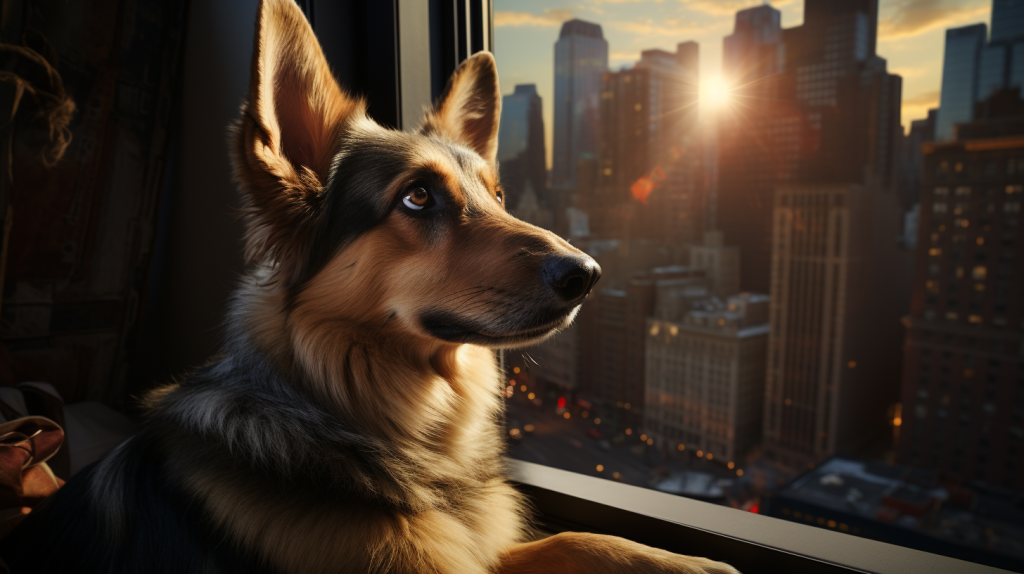
Dogs & Allergies
Allergies occur when the body’s immune system reacts to a foreign substance, such as pet dander, pollen, or dust. When exposed to an allergen, the immune system releases histamines, which can cause symptoms such as sneezing, itching & swelling.
Pet allergies are one of the most common allergies, affecting up to 30% of people with allergies. Allergens from pets are produced in their saliva, urine & skin cells, known as dander. These allergens can spread throughout the home and attach to clothing, furniture & carpets, making it difficult for people with allergies to avoid exposure.
Do 100% Hypoallergenic Dogs Exist?
Many people assume that some dog breeds are 100% hypoallergenic, meaning that they do not produce any allergens. However, this is not entirely true. While some breeds are less likely to cause allergies, no dog breed is entirely hypoallergenic. Even dogs that do not shed much, like the Poodle or Bichon Frise, can still produce allergens in their saliva and skin cells.

Factors that Affect Allergy Levels in German Shepherds
Several factors can affect the amount of allergens produced by a German Shepherd. One of the most important factors is grooming. Regular brushing can help reduce the amount of hair and dander in the home. Bathing the dog can also help remove allergens from their coat.
Another factor that can affect allergy levels is the dog’s diet. Feeding your German Shepherd a high-quality diet can help improve their overall health and reduce the amount of dander they produce.
Signs You Are Allergic to German Shepherds
If you suspect that you are allergic to German Shepherds, there are several signs to look out for. Some of the most common symptoms of pet allergies include:
- Sneezing: Frequent sneezing, especially after being in close contact with your German Shepherd.
- Runny or stuffy nose: Your nose may become congested or runny when you are around your dog.
- Itchy or watery eyes: Your eyes may become red, itchy or watery after being exposed to pet dander.
- Skin rashes: Contact with German Shepherd’s saliva, urine or dander can cause a skin rash.
- Wheezing or difficulty breathing: If you have asthma, exposure to pet dander can cause wheezing or difficulty breathing.
If you experience any of these symptoms, it is best to speak to an allergist to get a proper diagnosis.
Tips for Living with German Shepherds if You Have Allergies
If you have allergies and are considering getting a German Shepherd, there are several things you can do to help manage your allergies. These tips include:
- Regular grooming: Regular grooming can help reduce the amount of hair and dander in the home. Brushing your dog at least once a week and bathing them every two to three months can help keep their coat clean and reduce allergen levels.
- Use an air purifier: An air purifier can help remove pet dander from the air in your home. Look for an air purifier with a HEPA filter, which can capture particles as small as 0.3 microns.
- Clean your home regularly: Cleaning your home regularly can help remove pet dander and reduce allergen levels. Vacuuming carpets and furniture, washing bedding and curtains and dusting surfaces can all help reduce the amount of allergens in your home.
- Take allergy medication: Over-the-counter allergy medication, such as antihistamines and decongestants, can help relieve allergy symptoms. Talk to your doctor about which medications may be right for you.
- Designate certain areas as “pet-free zones”: Designating certain areas of your home as “pet-free zones” can help reduce your exposure to allergens. For example, you may want to keep your bedroom or a particular chair pet-free.
Do German Shepherds Shed?
German Shepherds are known for shedding heavily, especially during shedding season. They have a thick double coat that sheds throughout the year, with heavier shedding occurring twice a year. Regular grooming can help reduce shedding and keep your home cleaner.
Other Options for Allergy Sufferers?
If you have allergies and are unable to own a German Shepherd, there are several other breeds and types of pets that may be better suited for you. Here are some alternatives for allergy sufferers:
- Hypoallergenic dog breeds: While no dog breed is completely hypoallergenic, some breeds produce fewer allergens than others. Hypoallergenic dog breeds include Poodles, Bichon Frises, Shih Tzus, Malteses and Yorkshire Terriers.
- Other types of pets: If you are allergic to dogs or cannot own a dog, there are many other types of pets that may be better for you. Some alternative pets for allergy sufferers include fish, birds, reptiles & rodents.
While German Shepherds are not hypoallergenic, it is possible for people with allergies to live comfortably with these dogs. Regular grooming, cleaning and medication can help reduce allergen levels and make it possible for allergy sufferers to enjoy the companionship of a German Shepherd. However, it is important to consider your allergies before adopting a pet and to explore alternative options if necessary.