Why Do Bulldogs Lick Their Paws – Is It Normal & Top 9 Causes
Paw licking is a natural grooming behavior in dogs. It is their way of keeping their paws clean and free from debris. Occasional paw licking is considered normal for bulldogs and is not usually a cause for concern. However, excessive licking, persistent irritation, or self-inflicted injuries may indicate an underlying problem that requires attention.
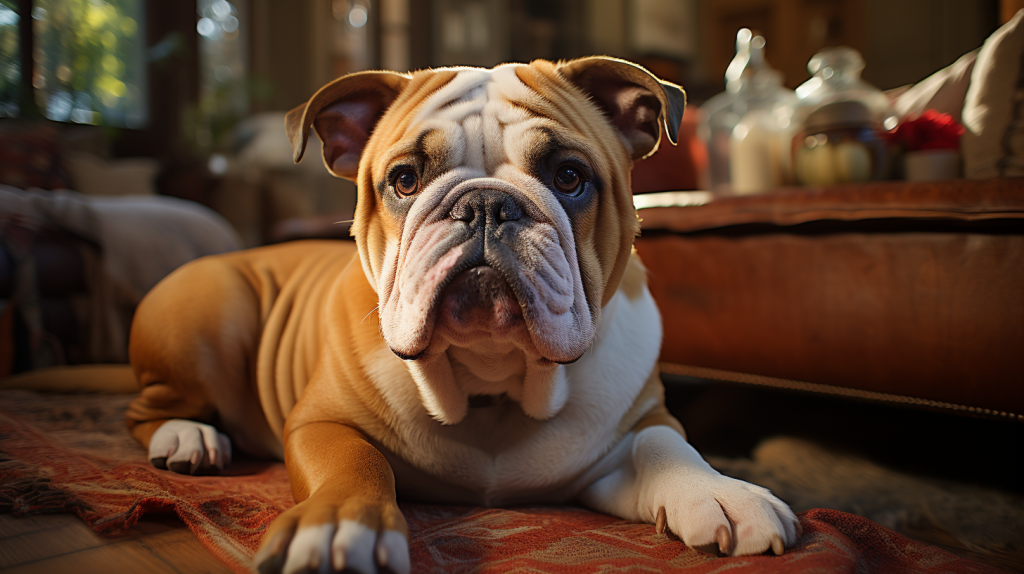
Top 9 Reasons Why Your Bulldog Licks Their Paws
Bulldogs, like many other dog breeds, may engage in paw licking for various reasons. Understanding these underlying causes is essential for identifying and addressing the issue effectively. Here are the top 10 reasons why your bulldog may be licking their paws:
- Allergies and Sensitivities:
- Bulldogs can be prone to allergies, which may manifest as itching and paw licking. Common allergens include pollen, dust mites, certain foods, or environmental factors.
- Skin Infections and Irritations:
- Bulldogs with skin infections, such as bacterial or yeast infections, may lick their paws as a response to discomfort. Irritants like chemicals or irritative substances can also trigger excessive licking.
- Fleas, Ticks and Other Parasites:
- Parasites like fleas, ticks, or mites can cause intense itching and discomfort, leading to paw licking. Regular parasite prevention is crucial for bulldogs.
- Dry Skin or Environmental Factors:
- Dry or irritated skin, often caused by low humidity or exposure to harsh weather conditions, can lead to paw licking. Ensuring proper hydration and using moisturizing products can help alleviate dry skin issues.
- Anxiety, Stress, or Boredom:
- Bulldogs are sensitive dogs that can experience anxiety or stress, which may result in excessive paw licking. Boredom or lack of mental stimulation can also trigger this behavior.
- Food Allergies or Intolerances:
- Food allergies or intolerances can cause itching and skin problems in bulldogs, leading to paw licking. Identifying and eliminating potential food triggers can help alleviate the issue.
- Yeast or Fungal Infections:
- Bulldogs are prone to yeast or fungal infections, which can cause itching and paw licking. These infections often occur in warm and moist areas, such as the paws.
- Paw Pad Injuries or Foreign Objects:
- Injuries to the paw pads, such as cuts, abrasions, or foreign objects lodged between the toes, can cause discomfort and lead to paw licking. Regular inspection and proper care of the paws can prevent such issues.
- Behavioral Habits and Self-Soothing:
- Some bulldogs develop a habit of licking their paws as a form of self-soothing or comfort-seeking behavior. This can be triggered by stress, anxiety, or simply become a repetitive habit.
Prevention & Treatment Options
Addressing and managing paw licking in bulldogs involves identifying the underlying cause and implementing preventive measures and appropriate treatments. Here are some effective prevention and treatment options to consider:
- Regular grooming and paw care: Keep the paws clean, dry and free from debris, regularly trimming the nails and inspecting for any signs of injury or foreign objects.
- Identify and address triggers: If allergies or sensitivities are suspected, working with a veterinarian to identify and manage the triggers is essential.
- Diet and nutrition considerations: Opt for high-quality dog food, avoid known allergens and consult with a veterinarian regarding any necessary dietary adjustments.
- Mental and physical stimulation: Provide your bulldog with plenty of exercise, playtime and mental enrichment to alleviate stress and boredom.
- Medications, supplements and topical treatments: Depending on the underlying cause, your veterinarian may prescribe medications, supplements, or recommend topical treatments to alleviate symptoms and promote healing.
When to See a Vet
While occasional paw licking is normal, certain signs and symptoms warrant veterinary attention. It is important to recognize when the paw licking behavior in your bulldog requires professional care. Here are some indicators that it is advisable to consult a veterinarian:
- Persistent or Excessive Paw Licking: If your bulldog’s paw licking becomes persistent, intense, or excessive, it may indicate an underlying issue that needs evaluation. Normal grooming behavior should not interfere with their daily activities or cause discomfort.
- Visible Signs of Irritation or Inflammation: If you observe redness, swelling, sores, open wounds, discharge, or foul odor on your bulldog’s paws, it may indicate an infection or injury that requires veterinary attention. These signs may suggest a need for further investigation and treatment.
- Changes in Behavior or General Health: If your bulldog exhibits changes in behavior, such as increased restlessness, aggression, or decreased appetite, alongside paw licking, it could be a sign of discomfort or an underlying medical condition. General health issues may contribute to or be associated with paw licking behavior.
- Hair Loss or Skin Lesions: If your bulldog experiences hair loss, thinning coat, or develops skin lesions in the areas they lick excessively, it may indicate dermatological issues or self-inflicted injuries. These conditions require diagnosis and appropriate treatment.
- Persistent Itching or Discomfort: If your bulldog consistently exhibits signs of itching, discomfort, or repeatedly tries to lick or chew their paws despite preventive measures, it is advisable to seek veterinary care. Itching that does not subside with home remedies or persists for an extended period may require professional intervention.
- Uncertainty or Concerns: If you are unsure of the underlying cause or concerned about your bulldog’s paw licking behavior, seeking veterinary advice is recommended. Veterinarians have the expertise to diagnose the underlying cause and provide appropriate guidance and treatment options.
Consulting a veterinarian in a timely manner is essential for proper diagnosis, effective treatment and the overall well-being of your bulldog. They will conduct a thorough examination, consider your bulldog’s medical history and may recommend additional tests or diagnostic procedures to identify the root cause of the paw licking behavior.
Are Bulldogs More Prone to Paw Licking Than Other Breeds?
Bulldogs have their own unique set of characteristics and health predispositions, which may lead to the perception that they are more prone to paw licking compared to other dog breeds. While it’s true that some bulldogs may exhibit paw licking behavior more frequently, it’s important to understand the factors that contribute to this perception and whether there is a higher prevalence of paw licking in bulldogs. Here’s an overview of the topic:
- Bulldogs’ skin folds and wrinkles can trap moisture and debris, leading to irritation and potential infections.
- Their predisposition to allergies and sensitivities may increase the likelihood of paw licking.
- However, every dog is an individual and the propensity for paw licking can vary.
Understanding why bulldogs lick their paws is crucial for their well-being. Regular grooming, identifying and addressing underlying causes and seeking veterinary care when needed can help alleviate paw licking and ensure the overall health of your bulldog.