How Much Do St. Bernards Drool?
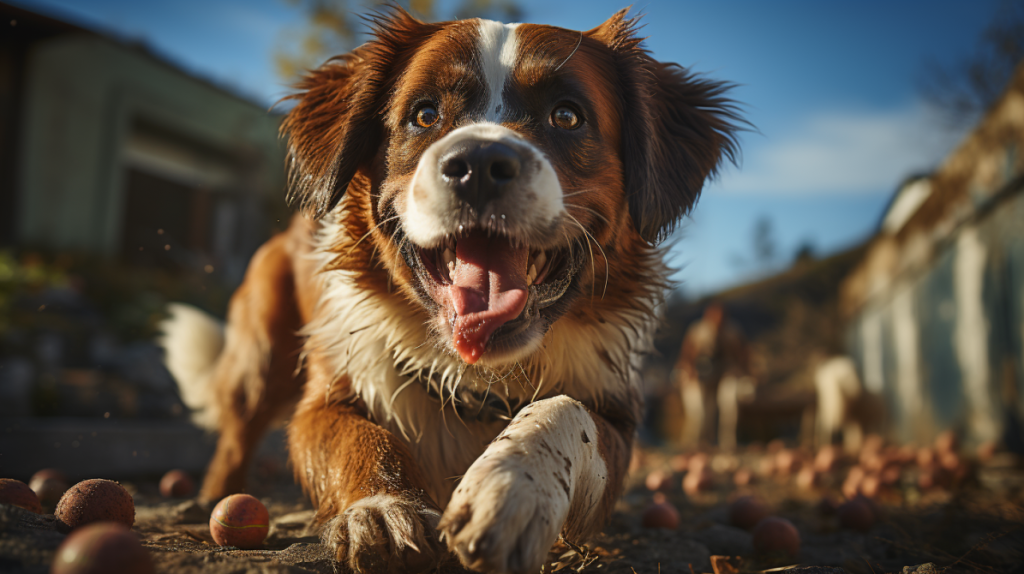
St. Bernards are known to be heavy droolers. Due to their loose lips and large jowls, they can produce significant amounts of drool, especially after eating or drinking. St. Bernards are among the breeds that commonly exhibit excessive drooling tendencies.
Physical Factors That Influence St. Bernards Drool
- Loose Lips and Jowls: St. Bernards’ loose, pendulous lips and jowls are designed to collect saliva, leading to drooling.
- Facial Structure: Dogs with shorter muzzles may drool more as their mouths have less space to contain saliva.
- Genetics: Drooling tendencies can be inherited, especially if both parents are heavy droolers.
Behavioural Factors That Influence St. Bernards Drool
- Excitement and Anticipation: St. Bernards may drool more when excited or anticipating enjoyable activities, such as going for a walk or mealtime.
- Anxiety and Stress: Like all dogs, St. Bernards may excessively drool when feeling anxious or stressed, triggered by unfamiliar situations or loud noises.
How Do They Compare to Other Breeds?
While St. Bernards are often associated with heavy drooling, they are not the only breed known for this behavior. Other breeds, such as Bulldogs, Bloodhounds and Newfoundlands, are also notorious droolers. However, the extent of drooling can still vary significantly even among breeds known for this behavior.

Health Issues That Can Cause Excessive Drooling in St. Bernards
While drooling is a natural behavior in St. Bernards, excessive drooling can be a symptom of underlying health issues. It is crucial to be aware of potential medical conditions that may contribute to abnormal drooling.
- Oral Health Problems: Dental issues, such as gum disease or dental infections, can cause excessive drooling in St. Bernards.
- Respiratory Problems: Certain respiratory conditions, like infections or allergies, can lead to increased drooling due to mouth-breathing.
- Gastrointestinal Issues: Some gastrointestinal problems can cause hypersalivation and, consequently, excessive drooling in St. Bernards.
How to Manage St. Bernard Drool
- Regular Grooming: Keeping the area around the mouth clean and dry can help reduce the discomfort associated with excessive drooling. Regularly wiping your St. Bernard’s mouth with a clean cloth or drool rag can be beneficial.
- Proper Hydration: Ensuring your St. Bernard is well-hydrated can minimize drooling as dehydration may stimulate excessive salivation.
- Train Your Dog: Basic obedience training can help you control behaviors that trigger drooling. Teaching your dog to remain calm during exciting situations can reduce drooling episodes.
- Provide Distractions: Offering chew toys or engaging in interactive play can redirect your St. Bernard’s focus and reduce drooling caused by anxiety or stress.
- Address Health Issues: Regular check-ups with a veterinarian can help identify and address any potential health issues causing excessive drooling.