African Wild Dog Habitat – Where Do African Wild Dogs Live?
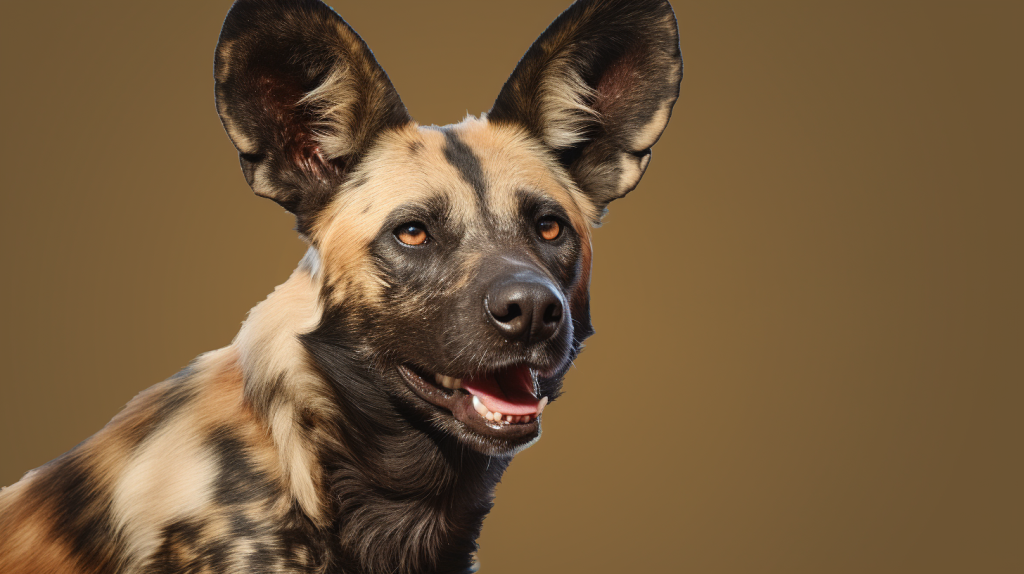
African Wild Dogs (Lycaon pictus), also known as Painted Dogs or Cape Hunting Dogs, are unique and fascinating creatures. As one of the most social and cooperative animals in the world, they are quite distinct from their domesticated canine counterparts.
Natural Habitat & Origins of the African Wild Dog
The African Wild Dog’s natural habitat predominantly consists of savannahs, grasslands, and woodland areas across the African continent. They have adapted to live in a variety of environments, from arid regions to wetlands, but typically prefer open areas with sparse vegetation.
- Evolutionary history: The African Wild Dog has a unique lineage among canids, having diverged from other canines around 3-4 million years ago. This makes them a separate species, distinct from wolves and domestic dogs.
History of the African Wild Dog
The African Wild Dog has a rich history throughout Africa, with a range that once spanned most of the continent. Over time, however, their populations and territories have changed significantly.
- Historical range: African Wild Dogs were once found across much of sub-Saharan Africa, with the exception of dense rainforests and deserts.
- Changing populations and territories: Human population growth and habitat loss have greatly reduced their range, leaving them largely restricted to small, fragmented areas.
- Cultural significance: African Wild Dogs have played a role in the cultural beliefs and traditions of various African societies, often symbolizing strength, cooperation, and resilience.
Current Distribution of the African Wild Dog
Today, the African Wild Dog’s distribution is limited to specific regions in Africa, with fragmented populations primarily found in eastern and southern countries. Estimates place the total population at around 6,600 individuals.
- Countries and regions: African Wild Dogs are now mainly found in countries such as Botswana, Kenya, South Africa, Tanzania, Zambia, and Zimbabwe.
- Fragmentation: The discontinuous distribution of these wild dogs poses challenges for gene flow and connectivity among populations, potentially impacting their long-term survival.
What is the Perfect Location for an African Wild Dog to Live?
An ideal habitat for African Wild Dogs consists of several key components that allow them to thrive and support their pack-oriented lifestyle.
- Prey availability: Large prey species, such as antelopes and ungulates, are essential for sustaining a pack. Adequate prey populations help maintain the health and stability of African Wild Dog groups.
- Water sources: While they can survive in relatively arid environments, having access to water is crucial for these animals, particularly during the dry season.
- Shelter: While African Wild Dogs do not have a specific denning requirement, they do need areas that offer some protection from the elements and potential predators.
Social Behavior of the African Wild Dog
The African Wild Dog is renowned for its complex social structure and cooperative behaviour.
- Pack structure: These wild dogs live in tight-knit packs, usually consisting of 6 to 20 individuals, with a dominant breeding pair and other related members.
- Hunting strategies: African Wild Dogs are highly cooperative hunters, relying on teamwork to take down large prey. They communicate through vocalizations and body language during hunts, and often share food with injured or ill pack members.
- Social bonding: Pack cohesion is maintained through mutual grooming, play, and other social interactions, demonstrating the strong bonds that characterise these animals.
Threats to African Wild Dog Populations
African Wild Dog populations face a variety of challenges that threaten their survival, including habitat loss, human-wildlife conflict, and disease.
- Habitat loss and fragmentation: The expansion of human settlements, agriculture, and infrastructure have significantly reduced and fragmented the African Wild Dog’s natural habitat, making it difficult for them to maintain viable populations.
- Human-wildlife conflict: African Wild Dogs may come into conflict with humans, especially when their prey becomes scarce, and they turn to livestock for sustenance. This can result in retaliatory killings by local communities.
- Diseases and competition: Diseases such as canine distemper and rabies pose significant threats to wild dog populations. Additionally, competition with other predators, like lions and hyenas, can impact their access to prey.
Conservation Efforts
There are numerous conservation efforts underway to help protect and sustain African Wild Dog populations.
- Protected areas and habitat corridors: The establishment of protected areas and wildlife corridors can help ensure that wild dogs have access to suitable habitats and connectivity between fragmented populations.
- Community-based conservation initiatives: Involving local communities in conservation efforts is crucial, as it fosters a sense of stewardship and reduces human-wildlife conflict.
- Research, monitoring, and education programs: Continued research and monitoring of wild dog populations is essential for informing conservation strategies. Additionally, education programs can help raise awareness about the plight of African Wild Dogs and the need for their protection.
Future of the African Wild Dog
While the future of the African Wild Dog remains uncertain, there are opportunities for population recovery and growth through concerted conservation efforts.
- Challenges and opportunities: The primary challenges facing African Wild Dogs include habitat loss, human-wildlife conflict, and disease. However, by addressing these issues and implementing effective conservation measures, there is hope for the future of this unique species.
Importance of international cooperation and support: Collaborative efforts among governments, NGOs, local communities, and international supporters are crucial for ensuring the long-term survival of African Wild Dogs.