Irish Wolfhound Hot & Cold Weather Tolerance – What Temperatures Can They Handle?
Irish Wolfhounds, originally bred as hunting and guarding dogs in ancient Ireland, have adapted to a variety of climates over centuries. Their impressive stature, standing at heights of 28 to 34 inches (71 to 86 cm) at the shoulder and weighing between 140 to 180 pounds (64 to 82 kg), is accompanied by a dense and coarse double coat that serves as insulation against temperature extremes.
Irish Wolfhound Hot Weather:
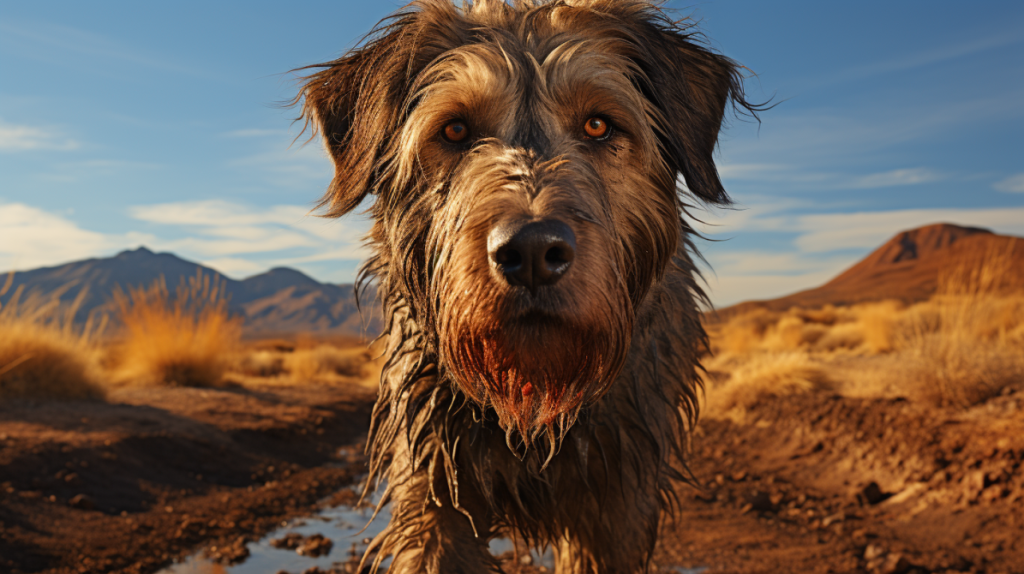
What Temperature is Too Hot for Irish Wolfhounds
Irish Wolfhounds are more sensitive to heat than many other breeds due to their size and heavy coat. When the temperature reaches around 27°C (80°F) or above, these dogs can start to experience discomfort. They are at risk of heat-related issues when the temperature surpasses 29.4°C (85°F) or higher.
How to Keep Your Irish Wolfhound Cool
Ensuring your Irish Wolfhound’s comfort in hot weather requires strategic measures:
- Shade and Ventilation: Provide access to shaded areas with good airflow to prevent overheating.
- Cooling Accessories: Utilize cooling mats, vests and bandanas that dissipate heat.
- Hydrating Treats: Offer frozen treats made from diluted low-sodium broth or fruits.
Factors That Impact an Irish Wolfhound’s Heat Tolerance
Various factors influence how well an Irish Wolfhound can handle hot weather:
- Age: Puppies and senior dogs are more vulnerable to heat stress due to their less efficient heat regulation.
- Coat Color: Dark-colored coats tend to absorb more heat than lighter ones, intensifying discomfort.
- Health Condition: Pre-existing health issues can exacerbate their sensitivity to heat.
Health Risks Associated With Hot Weather
Hot weather poses several risks for Irish Wolfhounds:
- Heat Exhaustion: Symptoms include heavy panting, elevated heart rate and excessive drooling. If left unaddressed, it can escalate to heatstroke.
- Heatstroke: Exhibited through excessive panting, vomiting, collapse and even seizures, heatstroke is a severe condition that demands immediate attention.
- Long-term Effects: Repeated exposure to high temperatures can lead to organ damage, impacting the dog’s overall health.
Signs of Heatstroke in Irish Wolfhounds
Familiarize yourself with the telltale signs of heatstroke:
- Excessive Panting: Rapid and laborious breathing beyond regular panting.
- Elevated Heart Rate: An abnormally fast heartbeat, often accompanied by restlessness.
- Weakness and Collapse: Your dog may become lethargic, weak, or even collapse due to heat exhaustion.
Should You Leave Irish Wolfhounds in Hot Cars?
Under no circumstances should you leave your Irish Wolfhound in a parked car during hot weather. The interior temperature of a car can rise dangerously in a matter of minutes, reaching life-threatening levels. Even with windows cracked, temperatures can reach 48.9°C (120°F) or more.
Nutrition & Hydration for Hot Weather
Proper nutrition and hydration are vital in hot weather:
- Access to Water: Ensure your dog has access to clean, fresh water at all times to prevent dehydration.
- Diet Adjustment: Modify their diet to incorporate cooling foods like watermelon and cucumber and avoid heavy meals during the hottest parts of the day.
- Exercise Timing: Engage in physical activities during cooler hours to prevent excessive heat buildup.
Irish Wolfhound Cold Weather:

Do Irish Wolfhounds Get Cold?
Despite their size, Irish Wolfhounds are susceptible to cold due to their relatively thin skin and lack of an insulating undercoat. Their dense outer coat helps protect them, but they can still feel the chill in extreme cold.
How Cold Can an Irish Wolfhound Handle?
Irish Wolfhounds are more tolerant of cold temperatures than heat. They are generally comfortable in temperatures as low as 0°C (32°F), but they may start to feel uncomfortable when it drops below -6.7°C (20°F).
How to Keep Your Irish Wolfhound Warm
Cater to your Irish Wolfhound’s warmth needs during cold weather:
- Insulated Shelter: Provide a warm and dry shelter raised off the ground to protect against cold surfaces.
- Dog Coats and Sweaters: Outfit your dog with appropriate clothing to maintain body heat.
- Avoid Shaving: Refrain from shaving their coat during colder months to maximize insulation.
Factors That Impact an Irish Wolfhound’s Cold Tolerance
Several factors influence how well an Irish Wolfhound endures cold temperatures:
- Age: Puppies and senior dogs are more susceptible to cold due to their less efficient heat generation.
- Health: Pre-existing health issues can worsen their ability to handle the cold.
- Individual Variation: Some dogs might naturally be more cold-tolerant than others.
Health Risks Associated With Cold Weather
Cold weather can pose risks for Irish Wolfhounds:
- Frostbite: Exposed skin and extremities, particularly ears and paws, are susceptible to frostbite.
- Hypothermia: Indicated by shivering, lethargy and shallow breathing, hypothermia is a potential concern.
- Long-term Effects: Prolonged exposure to cold can lead to joint stiffness and exacerbate existing health conditions.
Nutrition & Hydration for Cold Weather
Adapt their diet and hydration strategy during colder months:
- Increased Food Portions: Provide slightly larger portions to maintain body heat and energy levels.
- Fresh Water: Ensure access to unfrozen water at all times, as dehydration can occur even in cold weather.
Signs of Hypothermia in Irish Wolfhounds
Recognize the symptoms of hypothermia to take prompt action:
- Shivering and Shaking: Uncontrolled shaking is a sign of their body trying to generate warmth.
- Lethargy: Reduced energy and alertness might indicate their body is struggling to stay warm.
- Cold, Pale Skin: Observe their skin’s color and temperature, as cold skin is a telltale sign of hypothermia.
Can Irish Wolfhounds Live Outside?
While Irish Wolfhounds have a thick coat, they are social animals that thrive on companionship. It’s recommended to keep them indoors and provide outdoor time under supervision. If kept outside, ensure they have a well-insulated shelter and constant access to fresh water.
Moving an Irish Wolfhound From a Hot Climate to a Cool Climate (and Vice-Versa)
Relocating your Irish Wolfhound to a new climate demands thoughtful transition planning:
- Gradual Acclimation: Gradually expose your dog to the new weather conditions to avoid sudden temperature shocks.
- Diet and Exercise Adjustment: Modify their diet and exercise routine based on the new climate’s demands.
- Monitor Behavior: Pay close attention to your dog’s behavior and comfort during the transition period.