Can Dogs Eat Soft Cheese?
Yes, dogs can eat certain types of soft cheese. However, it’s important to understand the potential benefits and risks associated with feeding these cheeses to dogs. Not all soft cheeses are created equal, and caution should be exercised when considering which ones are suitable for your furry friend.
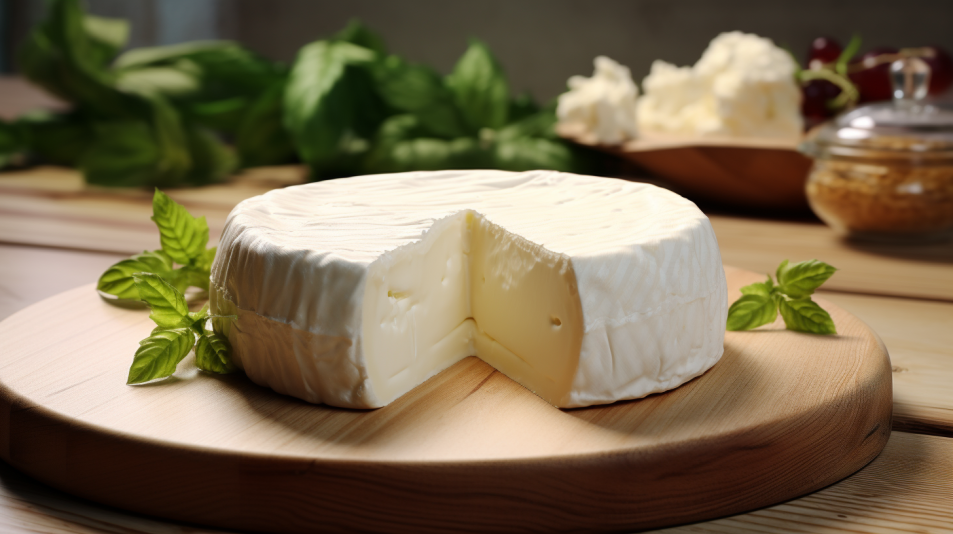
Types of Soft Cheese
- Brie: Not recommended due to its high fat content which may pose a risk of pancreatitis.
- Camembert: Should be offered very sparingly due to high fat and potential for digestive upset.
- Feta: Its high salt content makes it unsuitable for dogs, as excessive salt intake can be harmful.
- Ricotta: Low in fat and salt compared to other soft cheeses, making it one of the safer options in small quantities.
- Mozzarella: Lower in lactose and fat, making it relatively safer for dogs in moderation.
- Cottage Cheese: One of the safest soft cheeses due to its low fat and lactose content. Suitable for dogs in small amounts.
- Cream Cheese: High in fat; thus, it should only be given occasionally and in small quantities.
Can Soft Chees Be Good for Dogs?
Soft cheeses can offer some nutritional benefits for dogs. They are generally a good source of protein, essential for muscle development and repair. Soft cheeses also contain varying amounts of calcium, which support healthy bones and teeth. However, it’s important to note that soft cheeses are often high in fat and calories, which can contribute to weight gain and potential health issues if overfed. Soft cheeses should be given in moderation as an occasional treat rather than a regular part of your dog’s diet.
Are Some Dogs Allergic to Soft Cheese
While allergies to soft cheese in dogs are rare, individual sensitivities can vary. Some dogs may experience digestive issues or allergic reactions to specific ingredients found in soft cheeses, such as lactose or additives.
How Much Soft Cheese Can Dogs Eat?
The appropriate amount of soft cheese for dogs depends on their size, age, and overall health. As a general guideline, small dogs can be given a small amount or a teaspoon of soft cheese, while larger dogs may be offered a slightly larger portion. However, it’s important to remember that soft cheeses should only make up a small portion of your dog’s overall diet.
Best Way to Safely Prepare Soft Cheese for Your Dog
To ensure the safety of soft cheese for your dog, follow these guidelines:
- Choose Dog-Friendly Soft Cheeses: Opt for soft cheeses that are safe for dogs, such as plain cream cheese or cottage cheese. Avoid soft cheeses with added flavourings, spices, or seasonings that may be harmful to dogs.
- Control Portion Sizes: Limit the amount of soft cheese you offer to your dog. Treat it as an occasional indulgence rather than a regular part of their diet. Be mindful of the high-fat content of soft cheeses and adjust portion sizes accordingly.
- Consider Individual Sensitivities: Some dogs may have lactose intolerance or sensitivities to specific ingredients in soft cheese. If your dog has a known intolerance or sensitivity, it’s best to avoid feeding them soft cheese altogether or opt for lactose-free alternatives.
- Monitor for Adverse Reactions: When introducing soft cheese into your dog’s diet, closely observe their response. Look for any signs of digestive upset, allergic reactions, or changes in behaviour. If you notice any adverse effects, discontinue feeding soft cheese and consult with a veterinarian.
Dogs can enjoy certain types of soft cheese as an occasional treat. Soft cheeses can provide some nutritional benefits, including protein and calcium. However, it’s important to exercise moderation and consider your dog’s individual needs and sensitivities. Soft cheeses should be given in controlled portions and should not replace a balanced and appropriate diet specifically designed for dogs.