Do Bloodhounds Shed?
Yes, bloodhounds do shed. While they are not the heaviest shedders, they lose hair throughout the year. Their short, dense coat sheds more than one might expect, making regular grooming a necessity. Understanding the extent and nature of their shedding is crucial for maintaining a clean home and a healthy dog.
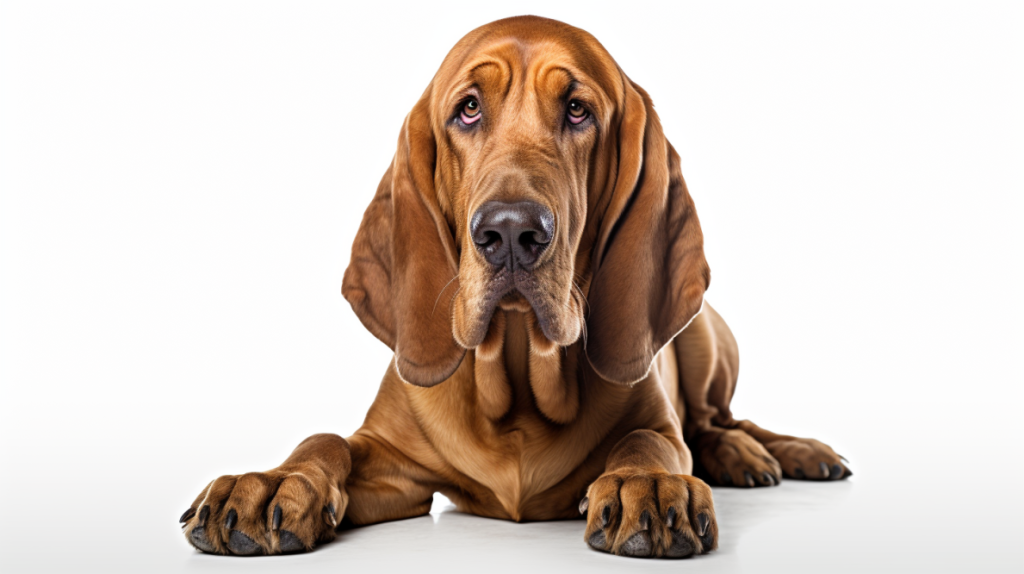
Understanding Shedding in Dogs
Shedding is a natural process where dogs lose old or damaged hair. It varies greatly among breeds due to differences in coat type and genetic factors. Shedding is influenced by daylight (photoperiod), which affects hormonal changes in dogs, leading to seasonal shedding patterns. Additionally, factors like nutrition, overall health and stress levels can impact the amount a dog sheds.
Bloodhound Shedding Factors
In bloodhounds, shedding is influenced by:
- Genetics: Bloodhounds have a genetic predisposition to shed moderately.
- Diet: A well-balanced diet rich in essential fatty acids can help maintain a healthy coat and minimize shedding.
- Health: Underlying health issues can exacerbate shedding. Regular veterinary check-ups are essential to ensure any health problems that might affect their coat are addressed promptly.
Seasonal Shedding Patterns in Bloodhounds
Bloodhounds experience seasonal shedding, typically more pronounced in spring and fall. This is their coat’s natural response to changes in daylight, preparing them for the temperature changes of the coming seasons. During these periods, owners might notice an increase in shedding, requiring more frequent grooming.
How to Manage Shedding in Bloodhounds
Managing shedding effectively ensures both the dog’s comfort and a clean home environment. Key strategies include:
- Regular Brushing: Brushing your bloodhound several times a week helps remove loose hair and distribute skin oils throughout their coat.
- Appropriate Diet: A high-quality diet, possibly supplemented with omega-3 and omega-6 fatty acids, supports coat health.
- Regular Baths: Occasional bathing with a mild dog shampoo can help manage shedding, but over-bathing can strip natural oils and exacerbate shedding.
- Grooming Tools: Use tools like bristle brushes or deshedding tools tailored for short-haired breeds.

Comparing Bloodhound Shedding to Other Breeds
Bloodhounds shed moderately compared to other breeds. They shed less than heavy shedders like German Shepherds but more than low-shedding breeds like Poodles. Understanding this can help potential owners gauge if a bloodhound’s shedding level is manageable for their household.
Are Bloodhounds Hypoallergenic?
No dog breed is truly hypoallergenic, including bloodhounds. While they may not produce as much dander as some other breeds, their shedding can still trigger allergies. Families with allergy sufferers should consider this factor seriously when choosing a bloodhound.
Common Health Issues in Bloodhounds that Can Affect Shedding
Certain health issues common in bloodhounds can influence their shedding:
- Skin Allergies: Can cause increased shedding and require medical attention.
- Thyroid Problems: Hypothyroidism can lead to poor coat quality and excessive shedding.
- Parasitic Infections: Issues like fleas or mites can exacerbate shedding and require prompt treatment.