Can Dogs Eat Meat Fat?
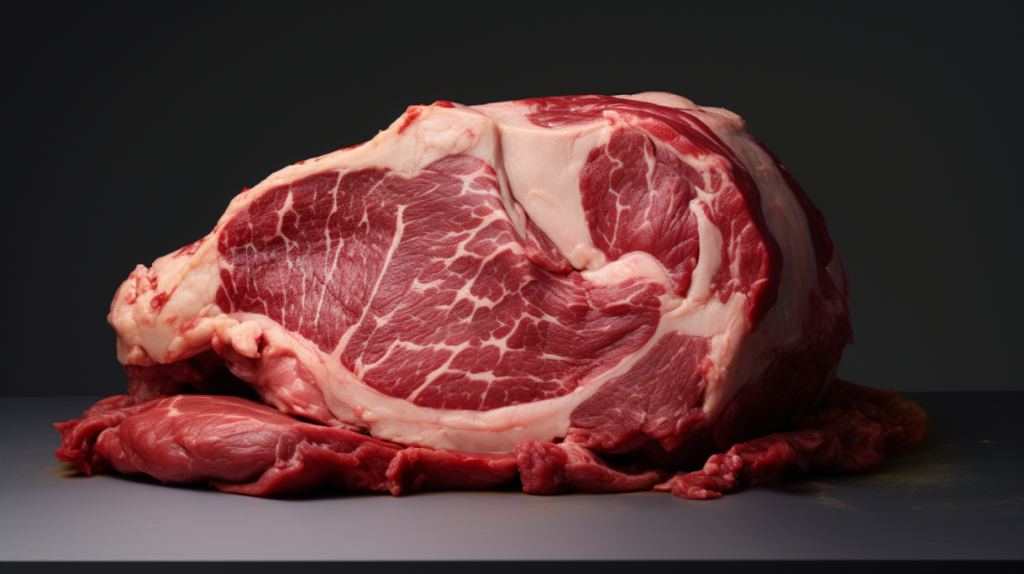
While dogs can consume small amounts of meat fat, it’s generally not recommended as a regular part of their diet. While fat is an essential nutrient for dogs, excess fat intake can lead to various health issues, including obesity, pancreatitis, and gastrointestinal upset. Therefore, it’s crucial to exercise caution and moderation when offering meat fat to your dog.
Risks of Feeding Meat Fat to Dogs
- Obesity: Consuming excessive amounts of fat can contribute to weight gain and obesity in dogs. Obesity increases the risk of various health problems, such as joint issues, heart disease, and diabetes. It’s important to maintain a balanced and appropriate diet to prevent excessive fat intake.
- Pancreatitis: Pancreatitis is inflammation of the pancreas and can be triggered by high-fat meals. Dogs with pancreatitis may experience symptoms such as vomiting, abdominal pain, loss of appetite, and diarrhea. Feeding high levels of meat fat can exacerbate or even cause pancreatitis in susceptible dogs.
- Gastrointestinal Upset: Dogs may experience digestive issues when consuming large quantities of meat fat. It can lead to diarrhea, excessive gas, or even more severe gastrointestinal disturbances. Dogs with sensitive stomachs or those prone to digestive upset should avoid high-fat foods, including meat fat.
Feeding Meat Fat to Dogs
If you choose to offer meat fat to your dog, it’s important to follow these guidelines:
- Moderation is Key: Meat fat should be given in small quantities, as an occasional treat or flavor enhancer. It should never replace a balanced and nutritious diet specifically formulated for dogs. Remember that fat should only constitute a small portion of your dog’s overall caloric intake.
- Trim the Excess Fat: When cooking meat for yourself, it’s best to trim off excess fat before serving it to your dog. This reduces the fat content and minimizes the risk of gastrointestinal issues or pancreatitis. Avoid giving your dog large pieces of fat or chunks that are difficult to digest.
- Monitor Your Dog’s Health: Pay close attention to your dog’s weight and overall health. If you notice any signs of weight gain, digestive upset, or other health issues, it’s crucial to reassess their diet and consult with your veterinarian for guidance.
So while dogs can consume small amounts of meat fat, it is generally not recommended as a regular part of their diet. Excessive fat intake can lead to obesity, pancreatitis, and gastrointestinal issues in dogs. It’s important to maintain a balanced and appropriate diet for your dog, ensuring they receive all the necessary nutrients without the risks associated with excess fat. If you choose to offer meat fat as an occasional treat, do so in moderation and monitor your dog’s health closely.