Pugs in Apartments – How Much Space Do They Need?
Pugs are known for their adaptability and can thrive in smaller living spaces. While a larger living area is always beneficial, pugs do not require a vast amount of space to be content. Ideally, a minimum of 400-500 square feet of living space is recommended for a pug in an apartment. This allows them to move around comfortably, play and stretch their legs.

Are Pugs Apartment Friendly?
Pugs are renowned for their friendly and affectionate nature, making them excellent apartment companions. They are generally calm and adaptable, making the transition to apartment living relatively smooth. Their affectionate nature also means they enjoy being close to their owners, making them content with smaller living spaces. Pugs are known to thrive in environments where they receive plenty of human companionship, so as long as they are given proper attention, love and care, they make excellent apartment dogs.
Do They Need a Back Yard?
Contrary to popular belief, pugs do not require a backyard to live happily. While access to outdoor space is always a plus, pugs can receive sufficient exercise indoors and in other outdoor areas such as parks or dog-friendly neighborhoods. Regular walks, playtime and mental stimulation are essential to keep pugs physically and mentally engaged.
How Much Noise Do Pugs Make?
Noise levels in an apartment can be a concern for both owners and neighbors. Pugs are generally not excessive barkers, but they can be vocal when excited or alert. Proper training, socialization and providing mental stimulation can help minimize excessive barking.
Toilet Training in an Apartment
Toilet training a pug in an apartment requires consistency, patience and a designated area for them to relieve themselves. Indoor potty solutions such as artificial grass or pee pads can be useful, especially if access to outdoor space is limited. Establish a routine and reward your pug for successful bathroom breaks to encourage good habits.
Tips for Living with Pugs in an Apartment
Living with a pug in an apartment can be a wonderful experience. Here are some useful tips to ensure a happy and harmonious life with your pug:
- Establish a consistent routine for feeding, exercise and potty breaks to provide structure and stability.
- Create a designated area for your pug’s bed, toys and belongings to give them a sense of their own space.
- Pugs are prone to weight gain, so monitor their diet and provide portioned meals to maintain a healthy weight.
- Engage your pug in regular mental stimulation activities like puzzle toys, obedience training, or interactive games to prevent boredom and destructive behaviors.
- Take your pug for daily walks outside the apartment to provide exercise and allow them to explore their surroundings.
- Consider using indoor potty solutions such as artificial grass or pee pads if access to outdoor space is limited.
- Provide your pug with a calm and secure area within the apartment where they can retreat to when they need some downtime.
- Socialize your pug with other dogs and people to ensure they develop good manners and become well-rounded companions.
- Be mindful of noise levels in your apartment to maintain a peaceful environment for both your pug and your neighbors.
- Take your pug for daily walks outside the apartment to provide mental and physical stimulation. Aim for at least 20-30 minutes of exercise each day.
- Teach your pug basic obedience commands such as sit, stay and come using positive reinforcement techniques like treats and praise.
- Use clicker training to reinforce positive behaviors and establish clear communication with your pug.
- Avoid overexertion, especially in hot weather, due to pugs’ brachycephalic nature. Take breaks during exercise sessions to prevent overheating and exhaustion.
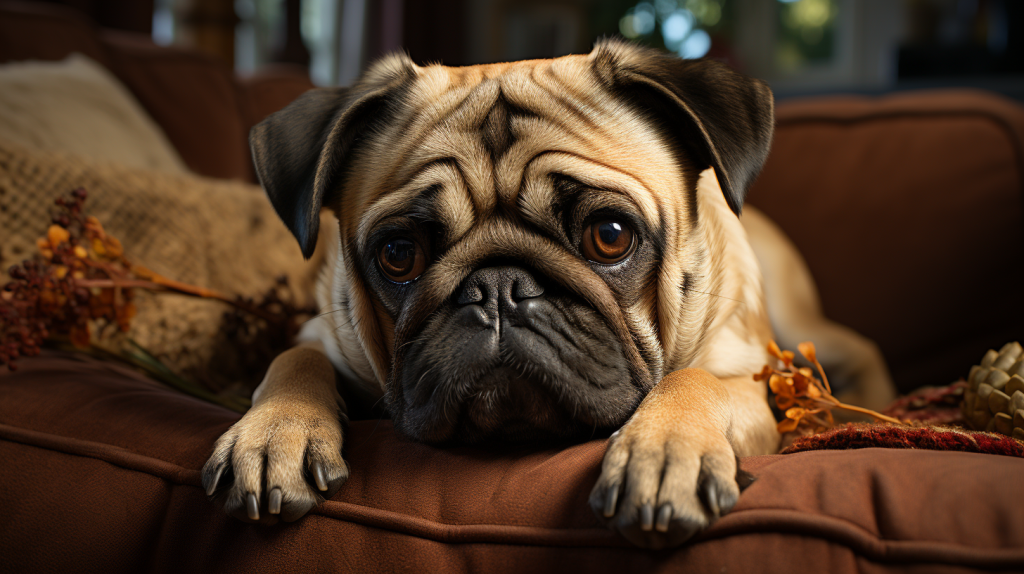
Problems With Pugs & Apartments
While pugs generally adapt well to apartment living, there are a few potential challenges to be aware of:
- Separation anxiety: Pugs are prone to developing separation anxiety when left alone for extended periods. Gradual training, crate training, or the use of calming techniques can help alleviate this issue.
- Noise sensitivity: Pugs may be sensitive to loud noises, which can cause them stress or anxiety. Creating a calm and secure environment and using white noise or calming music can help soothe them.
- Allergies: Some individuals may be allergic to pugs or have allergies triggered by their dander. If you or someone in your household has allergies, consider spending time with pugs before bringing one into your apartment to ensure compatibility.
Are Pugs The Right Dog For You?
While pugs can thrive in apartment living, it’s important to assess whether a pug is the right dog for you and your lifestyle. Consider the following factors:
- Pugs require attention and human companionship. If you have limited time to devote to your pet, a pug may not be the best choice.
- Pugs are generally low-energy dogs, but they still require daily exercise and mental stimulation. If you’re unable to commit to regular exercise and playtime, another breed may be more suitable.
- Pugs can be prone to certain health issues, such as respiratory problems and obesity. If you’re prepared to address these potential health concerns and provide necessary care, a pug may be a good fit.
- Pugs thrive in a loving and structured environment. If you can provide consistent training, attention and a calm living space, a pug can be a great addition to your apartment.
While space may be a concern when considering a pug in an apartment, their adaptability and affectionate nature make them well-suited for apartment living. By providing regular exercise, mental stimulation and a loving environment, you can create a harmonious and fulfilling life for both you and your pug in your apartment.